How a food and snack brand grew +382% in a little over 24 months with a full-funnel system.
For a brand that sells food people reorder, the business is built on repeat buyers. A single order does not make much money. The real money comes when the same customer keeps coming back.
The Pretzel Company sells hand-twisted soft pretzels, baked fresh in Pennsylvania and shipped all over the U.S.
- A lot of its sales come around the holidays, so Q4 is by far the busiest stretch of the year.
- In 2025 they made it onto Oprah's Favorite Things, the big gifting list of the year.
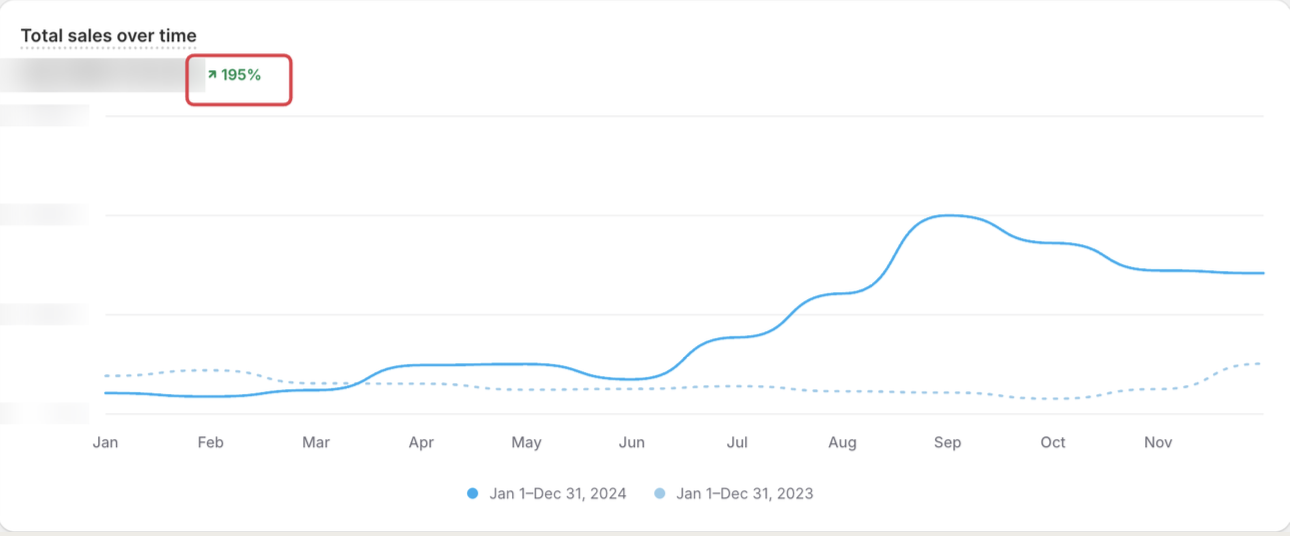
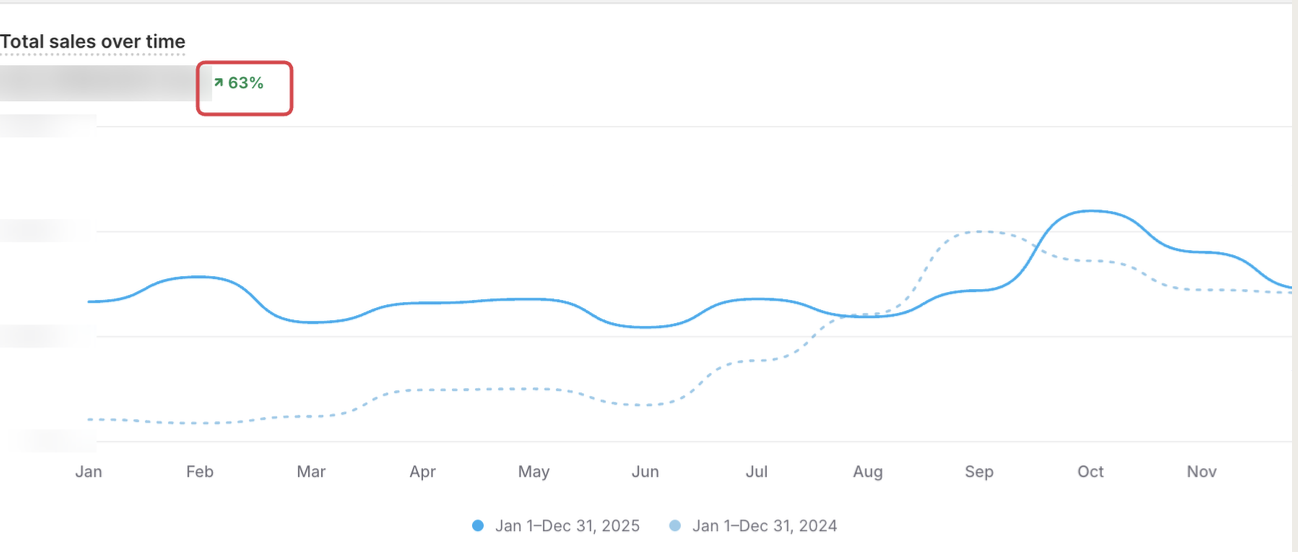
- In a little over 24 months, the brand grew +382%, from multiple six figures a year to multiple seven figures.
Where they started
When we started, the brand was already doing multiple six figures a year, and some revenue was already coming back on its own. But there was no full system in place to push repeat purchases as high as they could go. The brand also leans on Q4: the holiday season is by far its busiest time of year.
From day one we ran the full funnel together. Paid Advertising on Meta and Google brought new people in. Email worked on the other side to bring them back and get more orders out of each customer. The plan was simple: win customers and keep them, inside one system.
Acquisition and retention are one job
Usually these are two separate jobs. One team finds new customers. Another team emails the ones a brand already has. We ran them as one, and each channel did both.
- Email did both jobs. The welcome sequence and the abandonment sequences were optimized for acquisition and retention at the same time. They moved new visitors toward a first order and brought existing customers back for another.
- Paid Advertising mostly found new customers. Finding new customers stayed its main job. We also used part of it for retention, targeting people who had already bought to bring them back.
Running both sides of each channel is where the real work was. The next sections show how.
What email did
Email ran every day on its own. We built or rebuilt 15 flows across the whole journey, from the first hello to bringing back a customer who had gone quiet.
- Segmentation was the biggest piece. We sorted the list into clear groups so the right message reached the right people.
- Campaigns: the brand sent more than 2 email campaigns a week, all year, built mostly around the promo calendar.
- Deliverability: ongoing work so the list stayed healthy and our emails reached the inbox consistently.
What Paid Advertising did
Meta and Google ran as one connected system. We read the two together, so we could see the full path a customer took.
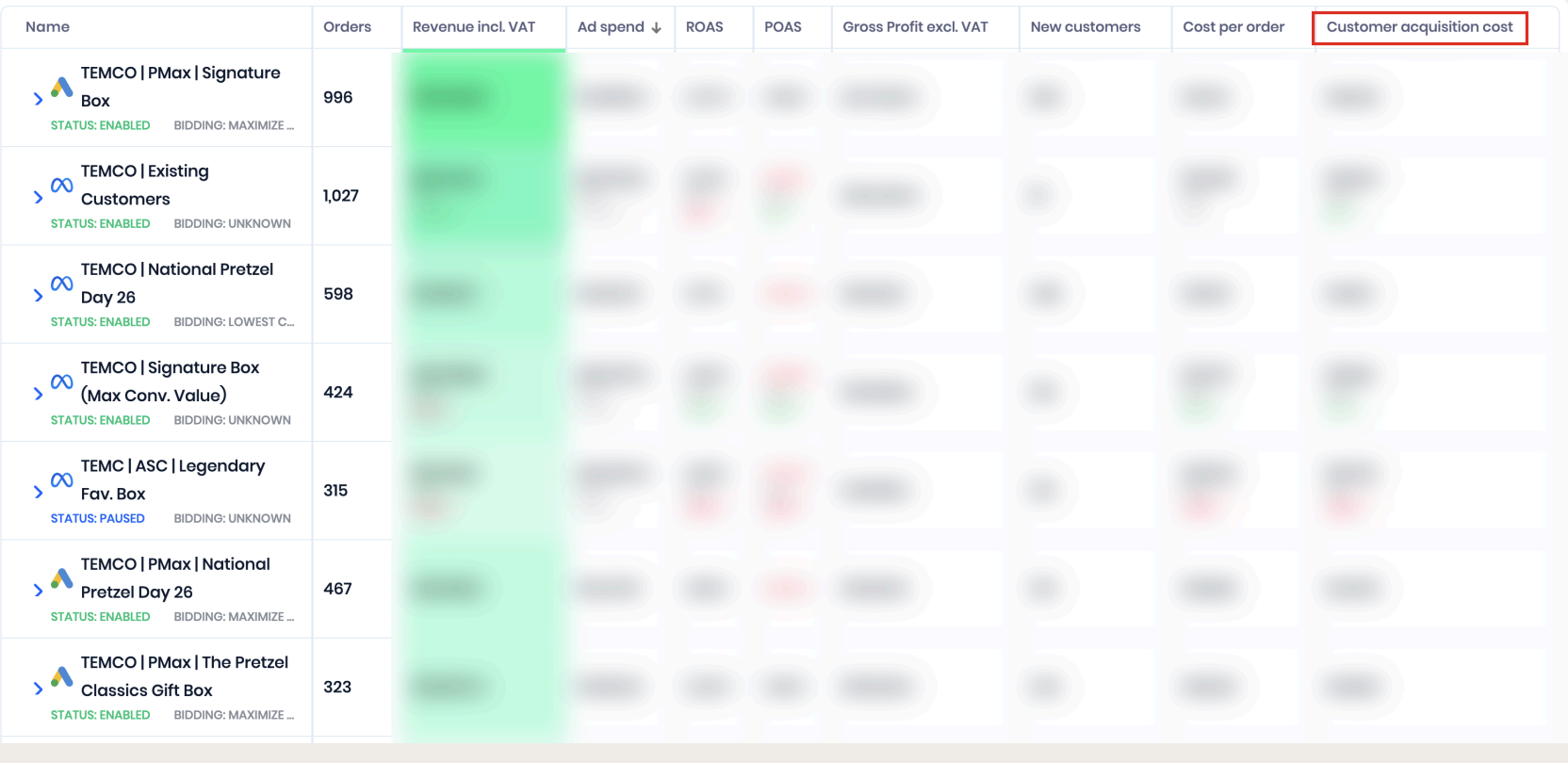
- Advanced tracking: Meta and Google only show part of the picture, so we added a layer with more precise data on how each campaign really performed, down to how many new customers it brought in and what each one cost to get. The money went where it worked.
- Budget planning: we moved the spend week by week around the promo calendar. When a big promo was coming, we knew weeks ahead and put more behind it. When nothing was on, we pulled back to a baseline.
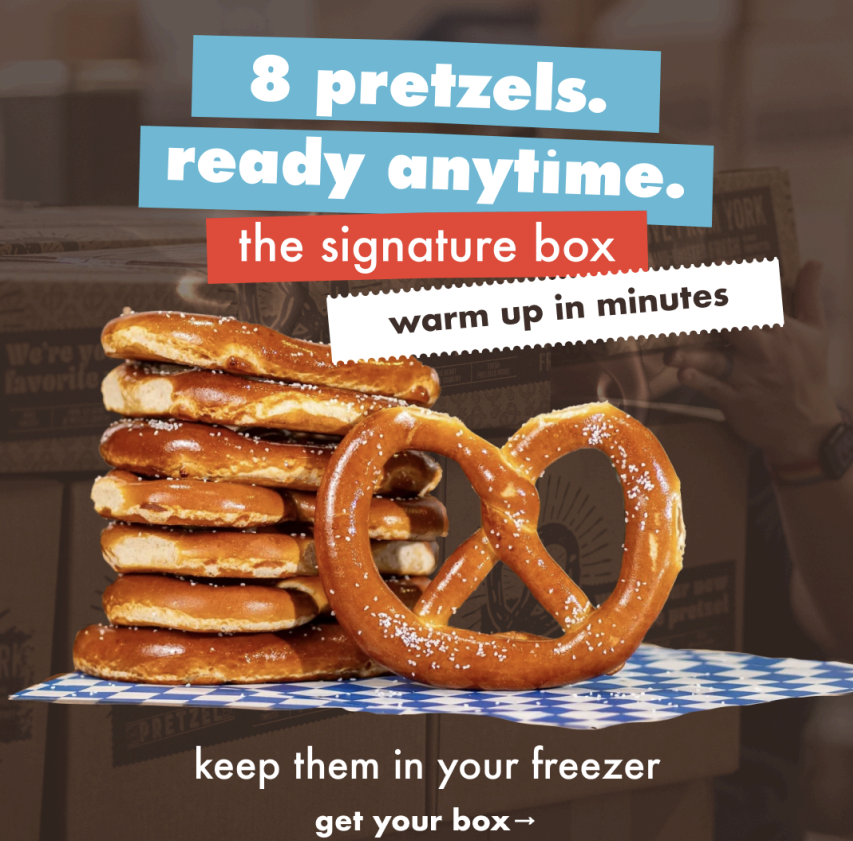
- Creative: evergreen ads ran all the time, and we added promo ads alongside them when a sale was live. We also built a set of ads just for the subscription offer.
Year two: subscriptions
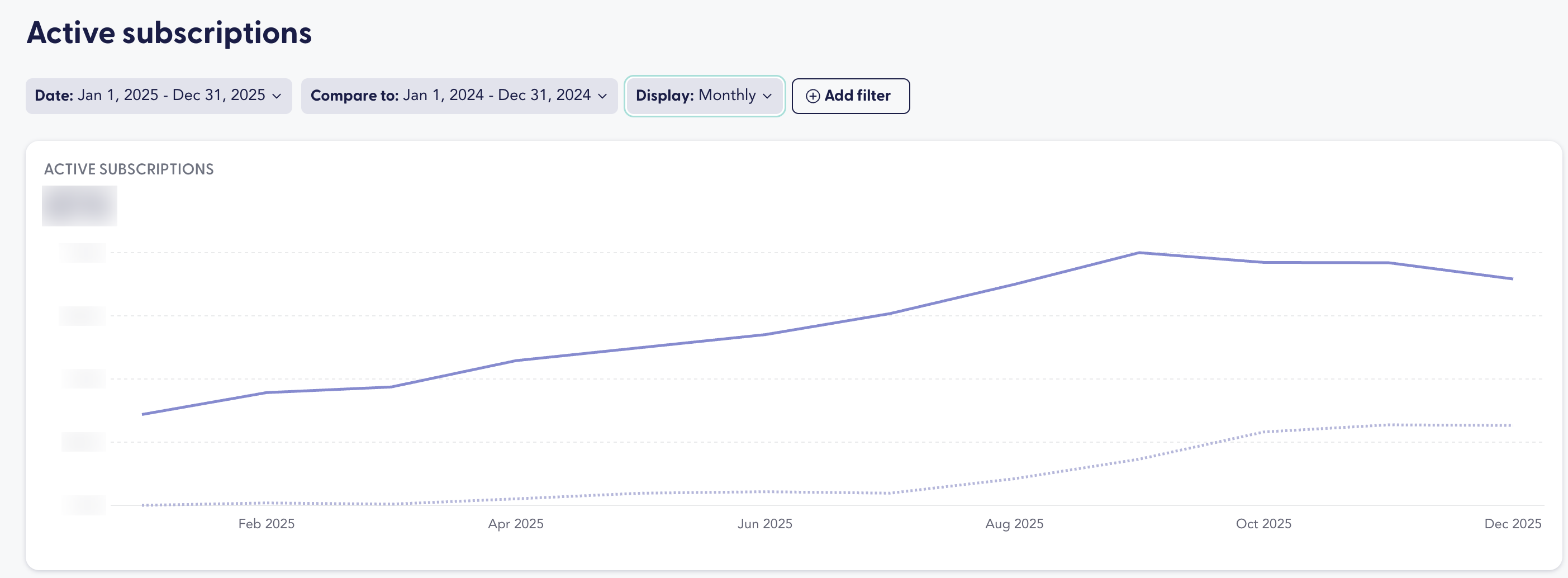
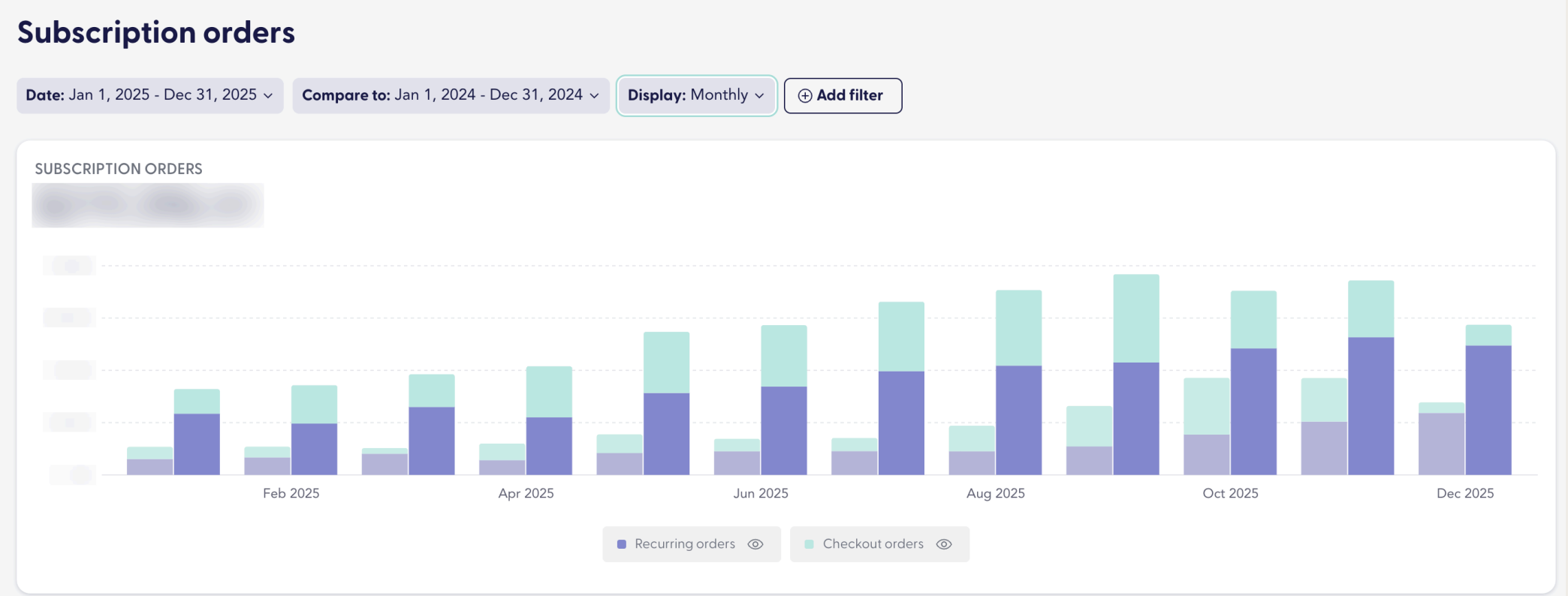
In year two we built out the subscription system. The idea was to create a steady stream of revenue that did not rise and fall with the season, so the brand was less tied to its Q4 peak. And for a brand like this, a subscriber is worth a lot more than a one-time buyer.
- Moved the brand onto a stronger subscription tool, from Loop to Recharge, for cleaner data and more room to test.
- Changed the product page so subscribing was an easier choice.
- Added a churn prevention flow that stepped in when a subscriber tried to cancel, to keep them from leaving.
The result: in 2025, subscription revenue almost tripled and active subscribers more than doubled.
This is why the economics are different for a consumable brand
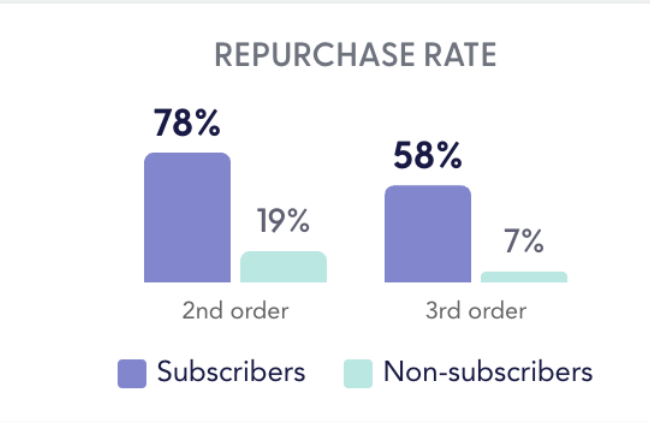
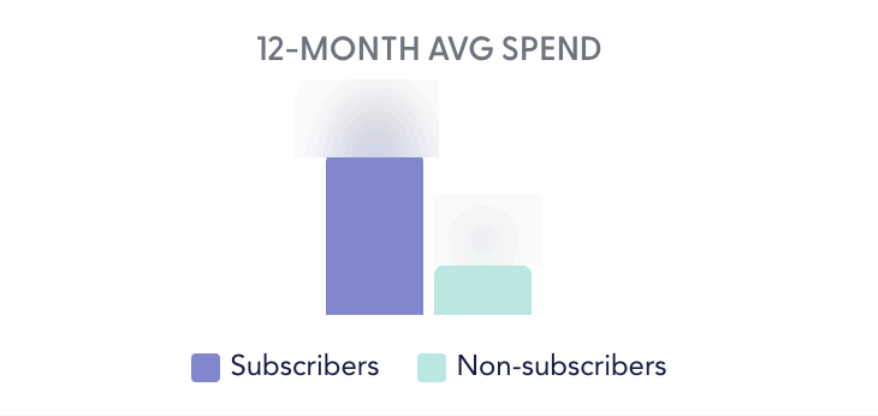
A subscriber behaves nothing like a one-time buyer, and the numbers show it.
- 2nd order: 78% of subscribers came back. For everyone else, only 19%.
- 3rd order: 58% of subscribers kept going, against 7%.
That's repeat revenue sitting right there. For a brand selling food people reorder, every customer who never comes back is money left on the table. A system that turns first-time buyers into repeat buyers is how you bring that revenue in.
Want to see the same system on your brand?
Get a free audit of your repeat revenue system. We'll show you where revenue is leaking and where your next year of growth could come from.
PARTNER WITH US →